Brain Health & Memory Supplement Reviews







Maintaining memory, concentration, and cognitive wellness is an important part of overall health. Whether you are managing a demanding work schedule, studying, or interested in healthy aging, understanding the factors that influence brain function can help you make informed decisions.
The market for brain health supplements has expanded, with products advertised for memory support, mental clarity, focus, and cognitive performance. These formulas are sometimes called nootropic supplements.
However, the ingredients, scientific evidence, and safety considerations differ from one product to another.
At Clinic of Medicine, we publish independent brain health supplement reviews that examine manufacturer claims, ingredient research, formulation details, pricing, and potential limitations.
Our goal is to help readers understand what is supported by scientific evidence and what remains uncertain before considering a dietary supplement.
Understanding Brain Health and Memory Supplements
Brain health supplements are dietary products marketed to support aspects of cognitive wellness, such as memory, attention, concentration, and mental performance.
These supplements may contain vitamins, minerals, botanical extracts, fatty acids, amino acids, or combinations of ingredients.
Some are promoted for general cognitive support, while others use marketing language focused on mental energy, memory recall, or age-related changes.
Brain function is influenced by numerous factors, including sleep, nutrition, physical activity, cardiovascular health, medications, and underlying medical conditions.
A supplement's advertised mechanism does not establish that it produces meaningful improvements in cognitive performance.
It is also important to distinguish temporary changes in alertness from measurable improvements in memory or long-term brain health.
Consumers should approach claims involving dementia prevention, reversal of cognitive decline, or guaranteed memory improvement with particular caution.
Common Ingredients in Brain Health Supplements
Understanding individual ingredients is an important part of evaluating nootropic and memory support formulas.
Many products combine multiple compounds, but research involving an individual ingredient does not automatically demonstrate the effectiveness of a commercial blend.
Ginkgo Biloba
Ginkgo biloba is a botanical ingredient frequently included in supplements marketed for memory and cognitive wellness.
Extracts from ginkgo leaves contain compounds such as flavonoids and terpenoids.
Researchers have studied ginkgo preparations in relation to cognitive performance and age-related memory concerns.
However, large clinical studies have not demonstrated that ginkgo supplementation prevents dementia, and evidence for cognitive improvement in healthy individuals remains uncertain.
Ginkgo may also interact with certain medications, particularly those associated with bleeding risks.
Consumers should examine the specific extract, dosage, and safety information rather than assuming all ginkgo supplements are equivalent.
Bacopa Monnieri
Bacopa monnieri is a plant used in traditional Ayurvedic practices and commonly included in memory supplement formulations.
Some clinical trials have investigated standardized Bacopa extracts for outcomes involving memory and cognitive performance.
Although certain studies suggest potential benefits in specific settings, the research varies in methodology, extract composition, and participant characteristics.
More high-quality research is needed to establish consistent benefits and determine which populations, if any, may benefit.
Bacopa may also cause digestive discomfort and other adverse effects.
Omega-3 Fatty Acids
Omega-3 fatty acids are essential dietary fats found in foods such as fatty fish and certain plant sources.
Docosahexaenoic acid (DHA) is an important structural component of brain cell membranes.
Omega-3 fatty acids are often promoted for brain health and healthy aging.
Although dietary patterns that include omega-3-rich foods may be associated with health benefits, research has not consistently demonstrated that omega-3 supplements improve memory or prevent cognitive decline in the general population.
Consumers should distinguish nutritional importance from claims that additional supplementation will improve cognitive performance.
Vitamin B12 and Other B Vitamins
Vitamin B12 plays an important role in neurological function and red blood cell formation.
A deficiency can contribute to neurological symptoms and other health problems.
However, correcting a diagnosed deficiency is different from taking additional vitamin B12 when levels are already adequate.
Research has not consistently demonstrated cognitive improvements from B-vitamin supplementation in people without a relevant deficiency.
Other B vitamins, including vitamin B6 and folate, also participate in normal biological processes.
Their presence in a brain health formula does not by itself establish that the supplement improves memory.
Lion's Mane Mushroom
Lion's mane, scientifically known as Hericium erinaceus, is a mushroom used in certain dietary supplements.
It is marketed for cognitive wellness, mental clarity, and nervous system support.
Laboratory and early human research have investigated compounds found in this mushroom.
However, evidence from well-designed human clinical trials remains limited.
Different extracts may contain varying amounts of active compounds, making it difficult to generalize findings across products.
L-Theanine
L-theanine is an amino acid naturally found in tea.
It is commonly included in products marketed for relaxation, attention, or mental performance.
Some research has examined L-theanine alone and in combination with caffeine.
Certain studies suggest possible short-term effects on attention-related measures, but results depend on study design and formulation.
L-theanine should not be viewed as a proven treatment for memory disorders or cognitive impairment.
Phosphatidylserine
Phosphatidylserine is a phospholipid found in cell membranes, including those of brain cells.
It is included in some supplements marketed for cognitive function and healthy aging.
Research has examined phosphatidylserine for various cognitive outcomes, but available evidence does not establish consistent benefits across all populations.
The source, formulation, and amount used in a supplement may differ from those evaluated in published studies.
What Scientific Research Says About Nootropic Supplements
Scientific research on cognitive supplements covers a broad range of ingredients and outcomes.
Some studies investigate attention, reaction time, or short-term mental performance. Others examine memory tests, age-related cognitive changes, or neurological conditions.
These outcomes are not interchangeable.
An ingredient that produces a temporary change in alertness does not necessarily improve long-term memory or prevent cognitive decline.
When evaluating research on nootropic supplements, several questions are important:
- Was the research conducted in humans?
- Were participants healthy adults or people with diagnosed conditions?
- Was the study randomized and appropriately controlled?
- What ingredient formulation and dose were used?
- Were the reported changes meaningful?
- Were results replicated by independent researchers?
- Did researchers examine potential side effects?
A supplement containing several researched ingredients should not automatically be described as clinically proven.
The finished formulation may not have been evaluated in a clinical trial.
At Clinic of Medicine, we aim to distinguish ingredient-level findings from evidence involving complete marketed products.
Brain Health Supplements vs. Memory Supplements vs. Nootropics
These terms are often used interchangeably in supplement marketing, but they may describe different intended purposes.
Brain Health Supplements
Brain health supplements generally refer to products marketed for overall cognitive wellness or nutritional support.
They may contain vitamins, minerals, fatty acids, or botanical compounds.
Memory Support Supplements
Memory supplements are marketed specifically for outcomes such as recall, learning, or memory performance.
Some are promoted to older adults concerned about age-related cognitive changes.
Consumers should evaluate whether relevant human research supports these claims.
Nootropic Supplements
Nootropic supplements are typically marketed for mental performance, concentration, alertness, or cognitive efficiency.
Some formulas contain stimulants such as caffeine, while others contain herbal extracts or nutritional ingredients.
The term "nootropic" is a marketing or descriptive category and does not guarantee that a product improves cognitive function.
Understanding these differences can help consumers match a product's advertised purpose with the available evidence.
How to Compare Brain and Memory Support Supplements
Choosing a brain health supplement should involve more than comparing promotional promises or bottle prices.
Ingredient Transparency
Review the complete Supplement Facts panel and ingredient quantities.
Products using proprietary blends may disclose a total mixture amount without specifying the dose of every component.
This can make it difficult to compare the formulation with published research.
Scientific Evidence
Determine whether the manufacturer provides research involving the actual commercial product.
Evidence related to a single ingredient may not establish the effectiveness of a multi-ingredient formula.
Look for appropriate human studies and consider any limitations.
Advertised Benefits
Products may claim to support memory, concentration, alertness, mental clarity, or healthy aging.
These claims represent different outcomes and require different forms of supporting evidence.
Avoid assuming that evidence for one cognitive measure establishes benefits for another.
Safety and Medication Interactions
Botanical ingredients, stimulants, and concentrated extracts can cause adverse effects or interact with medications.
A healthcare professional can help assess potential risks based on individual health circumstances.
Price and Refund Terms
Compare product cost per serving, quantity, recurring billing arrangements, shipping charges, and refund conditions.
Advertised bundle discounts do not necessarily represent the best overall value.
Brain Health Supplement Reviews at Clinic of Medicine
Our Brain & Memory category includes independent reviews of products marketed for different aspects of cognitive and neurological wellness.
Each product should be evaluated according to its own disclosed ingredients and advertised purpose.
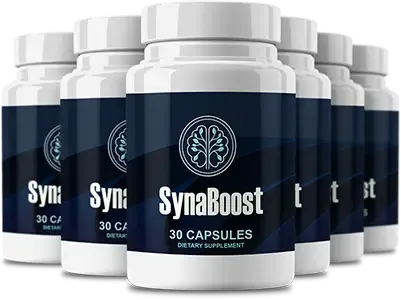
SynaBoost Review
Plant-based memory and focus supplement sold only through its official website, with 60-day money-back guarantee and bundle pricing.
NeuroZoom Review
A 35-ingredient vitamin, mineral and herb supplement sold on the official website for memory, concentration and mental acuity.
Neuro Fortis PRO Review
A cognitive-support capsule sold only on the official website, with a 60-day money-back guarantee; no ingredients or independent evidence were disclosed on the official website.
Read Our Neuro Fortis PRO Review
Fast Brain Booster Review
Brain-health product sold only through its official website; pages read state no ingredients, prices or specific benefit claims.
Read Our Fast Brain Booster Review
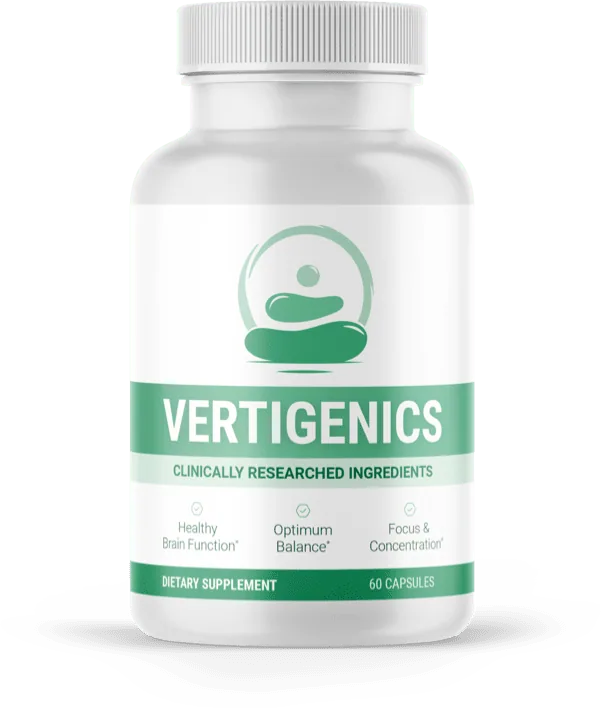
Vertigenics Review
Capsule supplement marketed for balance and brain support, sold only through the official website, with a 60-day refund window.
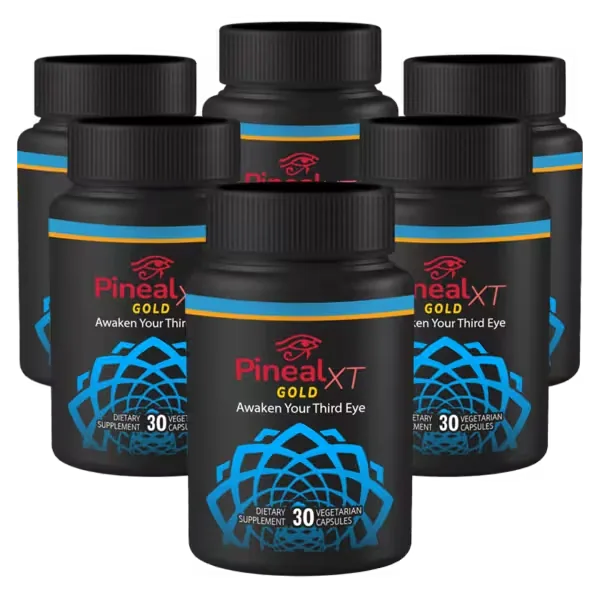
PinealXT Review
Capsule supplement sold on the official website, marketed to support the pineal gland, with spiritual claims about abundance and a 365-day money-back guarantee; no ingredient amounts are stated and the health claims are unsupported on the page.
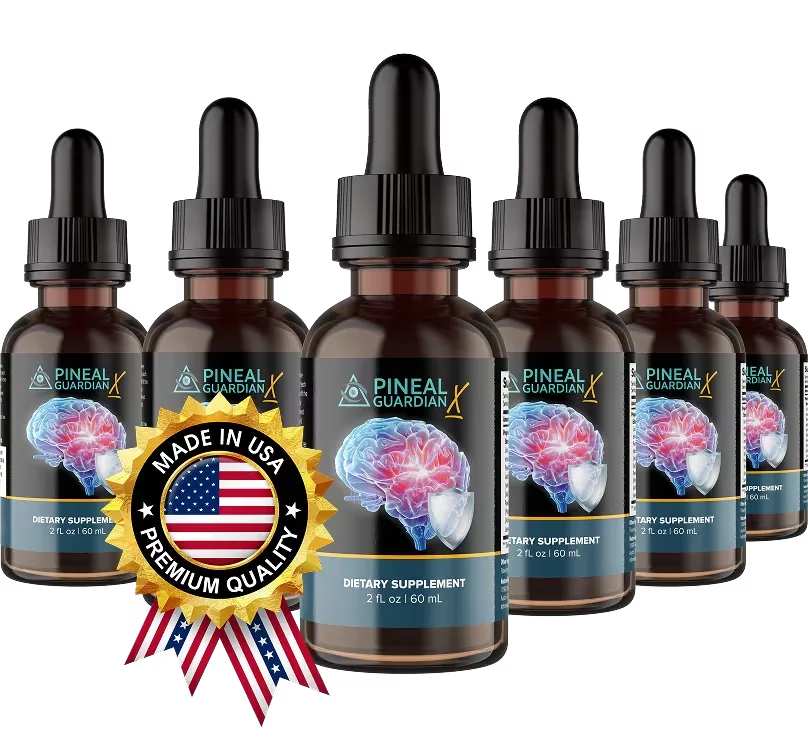
Pineal Guardian Review
A liquid brain-health dropper formula marketed for memory and mental clarity, sold through the official website with a 365-day money-back guarantee (official website claim).
Read Our Pineal Guardian Review
NeuroVera Review
A once-daily brain supplement sold on the official website, promoted with an unverified fluoride/toxin story and a memory-loss testimonial.
Nerve Soothe Review
Capsule supplement of five plant extracts plus vitamins and minerals, marketed for nerve support and sold through the official website with a 60-day refund claim.
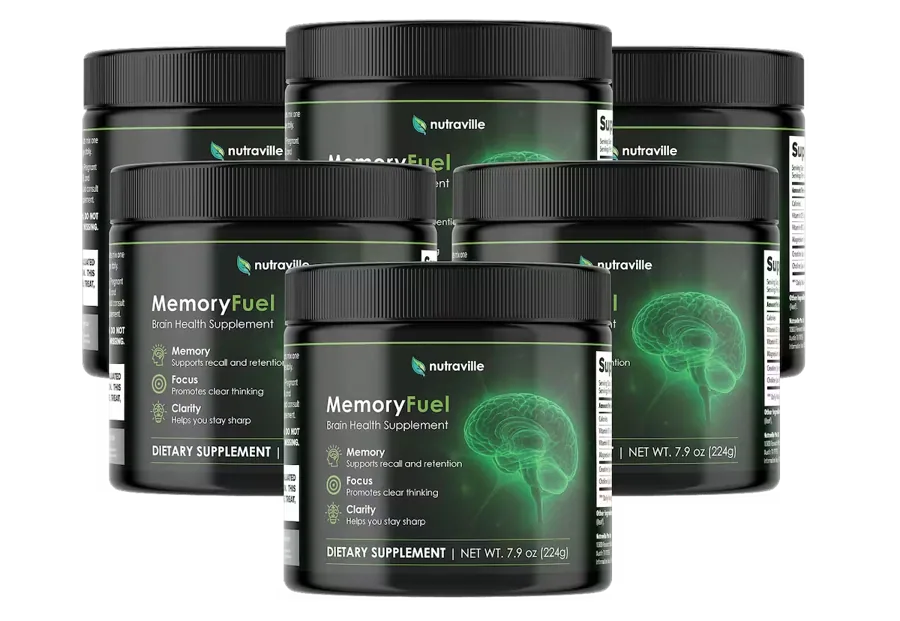
MemoryFuel Review
A six-ingredient supplement built around creatine monohydrate, sold through the official website with a 90-day refund offer; the brain-energy claims are not independently verified.
CogniSurge Review
A plant and mushroom capsule supplement sold on the official website, marketed for memory and mental clarity; the official website makes unverified health claims.
BrainAMP Review
Caffeine-metabolite and nootropic-blend capsules marketed for focus, productivity and calm under stress, sold only through the official website with a 90-day guarantee.
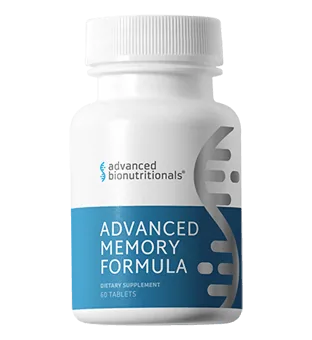
Advanced Memory Formula Review
Multi-ingredient brain-health tablet sold through the official website with a stated 90-day money-back guarantee; ingredient amounts and independent evidence not verified.
Read Our Advanced Memory Formula Review
Not every product in this category is marketed as a memory enhancer. Some reviews cover formulas with other advertised purposes, such as nerve or balance support, and should not automatically be treated as memory supplements simply because they appear in the Brain & Memory category. Each review examines the product's specific advertised purpose, ingredients, and evidence.
Explore All Brain & Memory Supplement Reviews
Safety and Possible Side Effects of Brain Supplements
Brain health supplements can contain biologically active ingredients.
Potential side effects depend on the specific compounds, formulation, dosage, and individual circumstances.
Some botanical extracts may cause digestive discomfort, headaches, or allergic reactions.
Stimulant-containing products may produce nervousness, sleep disturbances, or changes in heart rate.
Certain herbal ingredients may interact with medications, including anticoagulants and other prescription drugs.
The risks can be greater when multiple supplements are taken together or combined with medications.
Older adults and people managing chronic conditions should be particularly careful when evaluating new supplement products.
Memory changes, persistent confusion, sudden cognitive symptoms, or other neurological concerns should be discussed with a healthcare professional.
Supplements should not be used to delay diagnosis or replace prescribed treatment.
Can Brain Supplements Prevent Memory Loss or Dementia?
Many products are marketed around concerns about age-related memory changes.
However, strong claims about dementia prevention or reversal require high-quality clinical evidence.
Current scientific evidence does not establish that commonly marketed dietary supplements reliably prevent Alzheimer's disease or other forms of dementia.
Studies involving certain nutrients or botanical compounds have produced mixed or inconclusive findings.
Researchers continue to investigate nutrition, lifestyle factors, and specific interventions in relation to cognitive aging.
Consumers should not interpret preliminary laboratory findings as proof that a commercial supplement prevents neurological disease.
If memory problems are affecting daily activities, professional medical evaluation is more appropriate than relying on over-the-counter supplements.
Supporting Brain Health Beyond Supplements
Cognitive wellness is influenced by a combination of lifestyle, environmental, and medical factors.
Regular physical activity can support cardiovascular health and overall well-being.
Adequate sleep is important for normal attention, learning, and memory processes.
A varied dietary pattern provides nutrients needed for neurological function.
Social engagement and mentally stimulating activities may also contribute to healthy aging.
Managing conditions such as high blood pressure, diabetes, and cardiovascular disease is another important part of protecting long-term health.
These habits do not guarantee prevention of cognitive decline, but they form part of a broader, evidence-informed approach to wellness.
Dietary supplements should be considered within this larger context.
How Clinic of Medicine Reviews Cognitive Support Supplements
Our editorial approach begins with available manufacturer information.
We examine disclosed ingredients, advertised benefits, recommended use, pricing, and refund terms.
Where reliable research is available, we consider whether it is relevant to the product's claims.
We distinguish research involving specific ingredients from studies evaluating complete commercial formulations.
Manufacturer statements are not presented as established clinical findings without adequate support.
When important information is unavailable, we aim to identify the uncertainty clearly.
Our reviews are informational research assessments, not medical endorsements or guarantees of effectiveness.
Frequently Asked Questions About Brain Health Supplements
What are brain health supplements?
Brain health supplements are dietary products marketed for cognitive wellness, memory, concentration, or related functions. They may contain vitamins, botanical extracts, fatty acids, or other ingredients.
Do memory supplements actually work?
Effectiveness depends on the ingredient, formulation, population, and intended outcome. Many products have limited evidence supporting meaningful improvements in memory.
What are nootropic supplements?
Nootropic supplements are products promoted for mental performance, alertness, focus, or cognitive function. The label does not guarantee proven effectiveness.
Can brain supplements improve concentration?
Certain ingredients, such as caffeine, may temporarily influence alertness and attention. However, this does not mean all brain supplements improve concentration or long-term cognitive performance.
Is Ginkgo biloba effective for memory?
Research findings are inconsistent. Large studies have not demonstrated that ginkgo prevents dementia, and its effects on cognitive performance in healthy adults remain uncertain.
Is vitamin B12 beneficial for brain health?
Vitamin B12 is essential for normal neurological function. Treating a deficiency is important, but taking extra B12 when levels are adequate has not consistently been shown to improve cognition.
Are natural nootropic supplements safe?
Not necessarily. Natural compounds can produce side effects and interact with medications. Safety depends on the specific ingredient, dose, and individual health circumstances.
Can supplements prevent Alzheimer's disease?
There is no convincing evidence that commonly marketed dietary supplements reliably prevent Alzheimer's disease.
How should I compare memory supplement products?
Compare ingredients, disclosed amounts, scientific evidence, safety considerations, total costs, manufacturer information, and refund policies.
Are brain health supplements FDA-approved?
Dietary supplements generally do not require FDA approval for safety and effectiveness before being sold in the United States.
Explore Independent Brain & Memory Supplement Reviews
Understanding brain health supplements requires careful consideration of product ingredients, scientific evidence, advertised benefits, and safety information.
Clinic of Medicine provides independent supplement reviews to help readers evaluate products beyond promotional claims.
Explore our Brain & Memory review collection to learn about individual formulas, compare product information, and make more informed purchasing decisions.
Browse Brain & Memory Supplement Reviews
Medical disclaimer: This content is provided for general educational purposes and is not a substitute for professional medical advice, diagnosis, or treatment.
Affiliate disclosure: Some links on Clinic of Medicine may be affiliate links. We may receive commissions from qualifying purchases at no additional cost to the reader. Read our full affiliate disclosure.