Weight Loss & Metabolism Supplement Reviews


Weight management is a common wellness goal, but finding reliable information about weight loss supplements can be difficult. With numerous products marketed for metabolism support, appetite management, and fat burning, understanding the differences between advertising claims and scientific evidence is essential.
At Clinic of Medicine, we publish independent weight loss supplement reviews to help readers investigate dietary ingredients, product formulations, manufacturer claims, pricing, and important safety considerations.
Our goal is to provide balanced, research-oriented information so consumers can evaluate products before making purchasing decisions.
Whether you are researching metabolism support supplements or comparing weight management formulas, understanding the available evidence is an important starting point.
Understanding Weight Loss and Metabolism Supplements
Weight loss supplements are dietary products marketed to support weight management through various proposed mechanisms.
Manufacturers may describe their products as helping with energy metabolism, appetite control, digestive function, or fat utilization.
These claims can sound appealing, but their scientific support varies significantly.
Some supplements contain vitamins, minerals, botanical extracts, fiber, caffeine, or other compounds. Certain ingredients have been studied in connection with energy expenditure or appetite, but research findings do not automatically establish that every commercial product containing those ingredients produces meaningful weight loss.
Metabolism refers to the chemical processes through which the body converts nutrients into energy and performs essential functions.
A person's weight is influenced by numerous interconnected factors, including dietary intake, physical activity, sleep, medications, underlying medical conditions, and genetics.
Because of this complexity, supplements should not be considered substitutes for evidence-based weight management strategies.
Consumers should approach products promising rapid or effortless fat loss with caution.
Common Ingredients in Weight Management Supplements
Weight management formulas may contain a variety of ingredients advertised for different purposes.
Understanding these ingredients can help consumers interpret supplement labels and promotional claims.
Green Tea Extract
Green tea contains naturally occurring compounds called catechins, including epigallocatechin gallate (EGCG).
Green tea extracts are commonly marketed for antioxidant properties and metabolism support.
Research examining green tea preparations and weight management has produced mixed results, and any average weight-related effects reported in studies tend to be modest.
Concentrated green tea extracts may also carry safety risks, including rare but serious liver injury, particularly with certain high-dose preparations.
The composition and dose of a commercial formula matter when assessing its potential benefits and risks.
Caffeine
Caffeine is a stimulant found in coffee, tea, and certain dietary supplements.
It can temporarily increase alertness and energy expenditure, which is why it appears in some weight management products.
However, short-term changes in energy expenditure do not necessarily translate into substantial or lasting weight loss.
Excessive caffeine consumption may cause nervousness, insomnia, increased heart rate, or other adverse effects.
Consumers should consider their total caffeine intake from supplements, beverages, and other products.
Dietary Fiber
Certain dietary fibers are used in supplements promoted for fullness, digestive health, or appetite management.
Soluble fibers can absorb water and may influence gastric emptying and feelings of satiety.
However, results depend on the specific type of fiber, dose, dietary pattern, and individual response.
Fiber supplements may also cause bloating, gas, or digestive discomfort, especially when introduced too quickly.
Chromium
Chromium is a trace mineral involved in normal nutrient metabolism.
Some weight management supplements contain chromium compounds and associate them with carbohydrate metabolism.
However, clinical research has not established substantial weight loss benefits from chromium supplementation.
Consumers should distinguish between an ingredient's recognized biological function and claims that taking additional amounts will produce meaningful weight reduction.
Botanical and Adaptogenic Ingredients
Some products contain botanical extracts marketed for metabolic wellness, stress response, or general vitality.
The term adaptogen is frequently used in supplement marketing, but it is not a guarantee of demonstrated weight management benefits.
Evidence varies considerably among individual herbs and extracts.
Botanical ingredients may also interact with medications or produce unwanted effects, making product-specific safety research important.
How to Evaluate Weight Loss Supplement Claims
Supplement advertisements frequently use phrases such as "boosts metabolism," "supports fat burning," or "helps control cravings."
These statements should be examined carefully.
The first consideration is whether the claim refers to an individual ingredient or the finished commercial supplement.
Research showing a particular effect from an ingredient does not necessarily mean that a product containing that ingredient delivers the same outcome.
The quantity, formulation, duration of use, and characteristics of study participants all influence how research findings should be interpreted.
Consumers should also consider whether the evidence comes from human clinical trials, laboratory research, or animal experiments.
Human studies involving appropriate comparison groups generally provide more directly relevant evidence for consumer health outcomes.
Another important issue is the size of any reported effect.
A statistically significant change in a research study does not always represent a meaningful or sustainable difference in body weight.
Products promising dramatic results without dietary or lifestyle changes deserve additional scrutiny.
Comparing Weight Loss and Metabolism Supplements
Choosing between weight management supplements requires more than comparing brand names or advertised discounts.
A useful comparison examines several important factors.
Ingredient Transparency
A clear product label should identify the ingredients and relevant quantities.
Consumers should pay attention to proprietary blends that disclose total blend amounts without identifying every individual ingredient dose.
Scientific Evidence
Consider whether a product offers evidence from well-designed studies involving its complete formulation.
If only ingredient-level research is available, that distinction should be clear.
Manufacturer Claims
Evaluate whether advertising statements accurately represent the available evidence.
Claims suggesting that a supplement can replace established medical treatments or produce guaranteed weight loss should be treated cautiously.
Price and Serving Quantity
Product prices can vary depending on the number of bottles, serving sizes, discounts, and subscription arrangements.
Compare the cost per serving alongside the complete ingredient information.
A more expensive supplement is not necessarily more effective.
Refund and Purchasing Policies
Before purchasing, review the current refund terms, shipping fees, subscription conditions, and contact information on the official website.
Advertised offers can change, so final terms should always be verified at checkout.
Weight Loss Supplement Reviews at Clinic of Medicine
Our weight loss and metabolism category features product-specific reviews that examine available information about individual supplement formulas.
Current reviews include:
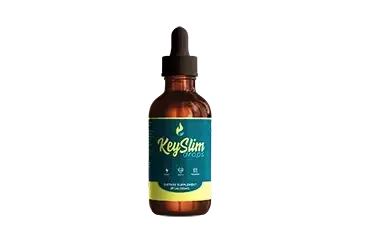
Keyslim Drops Review
Weight-loss product sold through the official website in three package tiers, with a stated 60-day money-back guarantee; ingredients and format are not listed on the official website.
GLP-1 Plus Review
A plant-based capsule supplement marketed for appetite control, cravings and blood-sugar support, sold through the official website with a 90-day refund offer.
AdaptoGen Review
A 9-herb adaptogen capsule sold on the official website, marketed for stress, mood, energy and metabolism in women in their 30s-50s, with a 60-day money-back guarantee.
Some products in this category use GLP-1-related marketing language. It is important to distinguish these dietary supplements from prescription GLP-1 receptor agonist medications. They are not equivalent product categories, and consumers should not assume that a supplement produces the clinical effects demonstrated by approved prescription drugs.
Readers can use these reviews to investigate the details of each product before considering a purchase.
Safety, Side Effects, and Important Considerations
Weight loss supplements are not automatically safe simply because they contain plant-derived or naturally occurring ingredients.
Some products may contain stimulants, concentrated botanical extracts, or compounds that affect digestion and other bodily processes.
Potential adverse effects depend on the specific formula and may include digestive discomfort, sleep disruption, changes in heart rate, or interactions with medications.
Certain products may present additional risks for people with cardiovascular conditions, liver disease, kidney problems, or other medical concerns.
Dietary supplements can also interact with prescription or over-the-counter medications.
In the United States, dietary supplements generally are not approved by the FDA for safety and effectiveness before marketing.
Consumers should be particularly cautious of products promising unusually rapid weight loss or results comparable to prescription medications without credible supporting evidence.
A healthcare professional can help determine whether a supplement is appropriate based on individual health needs, medication use, and medical history.
Building a Sustainable Approach to Weight Management
Long-term weight management involves more than selecting a supplement.
Nutrition, physical activity, sleep, stress, health conditions, and personal circumstances all contribute to weight-related outcomes.
A balanced dietary pattern can help support nutritional needs and sustainable changes.
Regular physical activity offers benefits for cardiovascular health, metabolic function, physical capacity, and overall well-being.
Adequate sleep and attention to stress can also play important roles in maintaining healthy routines.
For some individuals, structured weight management programs or medical treatment may be appropriate.
Dietary supplements should be evaluated within this broader context rather than viewed as stand-alone solutions.
How Clinic of Medicine Researches Weight Loss Supplements
At Clinic of Medicine, we aim to separate product advertising from the scientific information available to consumers.
Our review process begins with official manufacturer materials, including ingredient disclosures, advertised benefits, serving instructions, and purchasing terms.
We then consider relevant scientific literature to assess whether the available evidence is consistent with the claims being promoted.
Ingredient research is not automatically treated as proof that a finished product is effective.
Where reliable product-specific research is unavailable, we aim to communicate that limitation.
We also examine pricing and refund information when these details are provided on the official website.
Our reviews are informational evaluations, not medical endorsements or guarantees of product effectiveness.
Frequently Asked Questions About Weight Loss Supplements
Do weight loss supplements actually work?
Evidence varies by product and ingredient. Some ingredients have been associated with modest weight-related effects in studies, but many commercially marketed supplements lack convincing evidence of meaningful, long-term weight loss.
What ingredients are commonly used in metabolism support supplements?
Common ingredients include caffeine, green tea extract, dietary fiber, chromium, and various botanical compounds. Their effects and safety profiles differ, and their presence does not guarantee weight loss.
Are natural weight loss supplements safe?
Not necessarily. Natural ingredients can cause side effects, interact with medications, or be unsuitable for particular health conditions.
Can supplements boost metabolism?
Some ingredients, including caffeine, may temporarily increase energy expenditure. However, these effects do not necessarily lead to substantial or sustainable weight loss.
Are weight loss supplements FDA-approved?
Dietary supplements generally do not undergo FDA approval for safety and effectiveness before they are marketed. They are regulated differently from prescription medications.
How are metabolism supplements different from prescription GLP-1 medications?
Prescription GLP-1 receptor agonist medications have specific pharmacological mechanisms and undergo regulatory evaluation for approved uses. Dietary supplements marketed with GLP-1-related language are not equivalent to these prescription treatments.
What should I check before buying a weight management supplement?
Review the ingredient list, serving amounts, supporting evidence, safety information, manufacturer identity, total price, recurring billing terms, and refund conditions.
Can weight loss supplements replace diet and exercise?
Supplements should not be considered replacements for appropriate nutrition, physical activity, and individualized medical care. Sustainable weight management often requires a broader approach.
Explore Independent Weight Loss Supplement Reviews
Researching a weight management supplement should involve more than reading promotional promises.
At Clinic of Medicine, our weight loss supplement reviews help readers investigate ingredients, available scientific evidence, manufacturer claims, pricing, and safety considerations.
Explore our latest reviews to learn more about individual products and make informed purchasing decisions.
Browse Weight Loss Supplement Reviews
Medical disclaimer: This content is provided for general educational purposes and is not medical advice. Consult a qualified healthcare professional before using dietary supplements, particularly if you have a medical condition or take medication.
Affiliate disclosure: Some links on Clinic of Medicine may earn a commission when qualifying purchases are made, at no additional cost to the reader. Read our full affiliate disclosure.