Energy & Vitality Supplement Reviews



Feeling energetic and maintaining physical stamina are important parts of everyday wellness. Energy levels can be influenced by nutrition, sleep, physical activity, stress, medications, aging, and underlying health conditions.
With growing interest in healthy aging and performance, many dietary supplements are marketed for energy production, stamina, mitochondrial function, and general vitality.
These products may contain B vitamins, coenzyme Q10, amino acids, botanical extracts, minerals, and other compounds advertised as supporting cellular energy.
However, not every energy supplement has reliable scientific evidence supporting its advertised benefits.
At Clinic of Medicine, we publish independent energy supplement reviews that examine product ingredients, manufacturer claims, scientific evidence, pricing, and potential safety considerations.
Our goal is to help readers understand the difference between established nutritional functions, preliminary research, and unsupported promotional promises.
Understanding Energy and Vitality Supplements
Energy and vitality supplements are dietary products marketed to support alertness, physical stamina, cellular metabolism, or general well-being.
Different products use different approaches.
Some contain stimulants, such as caffeine, that may temporarily increase alertness.
Others contain vitamins and minerals involved in normal energy metabolism.
Certain products focus on mitochondria, the structures within cells responsible for producing much of the body's usable energy.
Additional formulas include amino acids, herbal extracts, or ingredients marketed for circulation and exercise recovery.
These approaches should not be treated as interchangeable.
A supplement that temporarily increases alertness does not necessarily improve physical endurance or address an underlying cause of fatigue.
Similarly, an ingredient's role in normal energy metabolism does not mean taking additional amounts increases energy levels in people with adequate nutritional status.
Consumers should examine the intended benefit and supporting clinical evidence before purchasing.
How the Body Produces Energy
The human body obtains energy from carbohydrates, fats, and proteins consumed through food.
Digestive processes break these nutrients into smaller molecules that can be used by cells.
Cells convert available nutrients into adenosine triphosphate, commonly called ATP.
ATP is the primary energy-carrying molecule used in many cellular processes.
Mitochondria play an important role in producing ATP through metabolic pathways involving oxygen and nutrients.
Vitamins and minerals help support various reactions involved in normal metabolism.
However, energy production is a complex physiological process.
Taking a supplement containing an ingredient involved in ATP production does not necessarily increase cellular energy output or reduce fatigue.
The body also regulates these processes according to nutritional status, activity, hormones, and health conditions.
This is why supplement advertisements promising to dramatically increase ATP production or completely restore mitochondrial function require careful scrutiny.
Common Ingredients in Energy and Vitality Supplements
Energy supplements often contain combinations of nutritional and botanical ingredients.
Understanding their biological functions and evidence limitations can help consumers make more informed decisions.
Vitamin B12
Vitamin B12 is an essential nutrient involved in red blood cell formation, neurological function, and normal metabolism.
Vitamin B12 deficiency can contribute to anemia, fatigue, and neurological symptoms.
Correcting a diagnosed deficiency can be important for health.
However, research does not show that additional vitamin B12 consistently improves energy or athletic performance in people who already have adequate B12 levels.
Consumers should distinguish treating a deficiency from using high-dose supplements as general energy boosters.
Vitamin B6
Vitamin B6 participates in numerous enzyme reactions, including those involved in amino acid metabolism.
It is commonly included in energy supplement formulas.
Although adequate B6 intake is necessary for health, additional supplementation does not automatically increase physical energy.
Excessive long-term vitamin B6 intake can also cause neurological problems, including peripheral neuropathy.
Niacin (Vitamin B3)
Niacin is involved in the formation of molecules such as NAD and NADP, which participate in energy-related metabolic reactions.
Some supplements use niacinamide or other forms of vitamin B3 in formulas marketed for cellular energy.
However, the involvement of NAD in normal metabolism does not establish that high-dose niacin supplements improve stamina or reverse aging.
Different niacin forms have different safety profiles.
High doses can produce adverse effects, and some forms may affect liver function or metabolic measures.
Coenzyme Q10
Coenzyme Q10, also called CoQ10, is a naturally occurring compound involved in mitochondrial energy production.
It participates in the electron transport chain and also has antioxidant properties.
CoQ10 is commonly marketed for energy, fatigue, and healthy aging.
Some clinical research suggests that CoQ10 supplementation may reduce fatigue scores in certain populations.
However, findings vary depending on the participants, formulation, dose, and intended outcome.
Evidence suggesting improvements in fatigue does not automatically establish better athletic performance or increased energy in every healthy adult.
Magnesium
Magnesium is an essential mineral involved in hundreds of enzymatic reactions, including processes associated with normal energy metabolism.
Low magnesium status can contribute to health problems.
However, people with adequate magnesium intake should not assume that additional supplementation will improve stamina or eliminate fatigue.
High supplemental doses may cause diarrhea and other digestive effects.
Iron
Iron is essential for oxygen transport through hemoglobin.
Iron deficiency, particularly when associated with anemia, can cause fatigue and reduced physical capacity.
Appropriate treatment of iron deficiency can improve symptoms caused by that deficiency.
However, taking iron without a demonstrated need may cause constipation, nausea, or excessive iron accumulation in susceptible individuals.
Persistent tiredness should not automatically be interpreted as evidence of iron deficiency.
L-Carnitine and Acetyl-L-Carnitine
Carnitine is involved in transporting certain fatty acids into mitochondria, where they can be used in energy-related processes.
Carnitine compounds are included in some supplements marketed for physical performance, healthy aging, and cellular wellness.
Research has investigated their effects in various populations.
However, the evidence does not establish that every person benefits from routine carnitine supplementation.
D-Ribose
D-ribose is a naturally occurring sugar involved in the structure of ATP and other important molecules.
Some supplements are marketed around the idea that providing additional ribose increases available cellular energy.
However, its role as a biological building block does not establish that routine D-ribose supplementation improves fatigue or physical performance in healthy adults.
Research involving particular populations should not automatically be applied to commercial energy supplements.
Amino Acids
Amino acids are the building blocks used by the body to produce proteins.
Essential amino acids must be obtained through the diet because the body cannot synthesize sufficient amounts.
Amino acid supplements are commonly marketed for muscle maintenance, recovery, and physical performance.
However, an adequate overall protein intake may meet the needs of many adults.
The effects of supplemental amino acids depend on dietary intake, physical activity, age, and individual circumstances.
Amino acid formulas should not automatically be considered more effective than appropriate dietary protein.
Caffeine
Caffeine is a stimulant found in coffee, tea, and many energy products.
It can temporarily increase alertness and reduce perceived tiredness.
However, excessive consumption may cause insomnia, anxiety, palpitations, or other adverse effects.
People who are sensitive to stimulants may prefer to avoid caffeine-containing supplements.
Beetroot and Nitric Oxide Support Ingredients
Beetroot contains dietary nitrates that can participate in pathways involved in nitric oxide production.
Some supplements also contain L-citrulline or L-arginine, ingredients marketed for circulation and exercise performance.
Researchers have investigated these compounds for certain cardiovascular and exercise-related outcomes.
However, ingredient research does not establish that every nitric oxide booster improves stamina, blood pressure, or overall vitality.
The specific formulation, amount, and clinical context remain important.
Mitochondrial Support Supplements and Cellular Energy
Mitochondrial support has become a popular theme in energy supplement marketing.
Manufacturers may advertise ingredients as helping the body produce more ATP, supporting mitochondrial efficiency, or protecting cells from oxidative stress.
Some products also use language involving NAD, PQQ, and healthy aging.
Mitochondria are essential for normal cellular function, and research continues to examine their relationship with aging and disease.
However, the scientific importance of mitochondria does not mean that commercially marketed mitochondrial supplements have demonstrated meaningful benefits in healthy adults.
Some ingredients have been studied in particular medical populations, but results cannot automatically be generalized.
Consumers should be cautious of promises involving mitochondrial repair, dramatic ATP increases, cellular rejuvenation, or guaranteed reversal of age-related fatigue.
These claims require direct clinical evidence involving the finished product.
Can Energy Supplements Help With Fatigue?
Fatigue is a common symptom with many potential causes.
Inadequate sleep, stress, poor nutritional intake, medication effects, anemia, thyroid disorders, infections, and other medical conditions may contribute to persistent tiredness.
Certain supplements can be useful when fatigue is associated with a specific nutritional deficiency.
For example, correcting vitamin B12 or iron deficiency may address symptoms related to those deficiencies.
However, taking additional vitamins when nutritional status is adequate does not necessarily improve energy.
Some research suggests that particular supplements may influence fatigue-related outcomes in selected populations.
A systematic review and meta-analysis of CoQ10 trials reported reductions in fatigue scores across the included studies.
Nevertheless, the results do not establish that all CoQ10 products work equally well or that every person experiencing fatigue will benefit.
Persistent or unexplained fatigue should be evaluated by a healthcare professional rather than managed solely with dietary supplements.
What Scientific Research Says About Energy Supplements
The scientific evidence supporting energy supplements varies widely.
Some nutrients have established roles in normal physiological function, while other compounds have been studied for potential benefits in exercise performance, fatigue, or specific medical conditions.
These outcomes should not be treated as equivalent.
A temporary increase in alertness is different from improved endurance.
Correcting a nutritional deficiency is different from providing additional nutrients to someone whose intake is already adequate.
Changes in laboratory measures, including ATP-related or antioxidant markers, do not necessarily demonstrate meaningful improvements in how a person feels or functions.
When reviewing research, consumers should consider:
- Whether the study involved human participants.
- Whether participants were healthy or had diagnosed medical conditions.
- Whether the research used an appropriate comparison group.
- Which ingredient forms and amounts were tested.
- Whether the results were clinically meaningful.
- Whether findings have been replicated.
- Whether the complete commercial product was studied.
- Whether potential adverse effects were documented.
Research involving a single ingredient should not automatically be used to prove the effectiveness of a multi-ingredient energy supplement.
How to Compare Energy and Vitality Supplements
Choosing an energy supplement requires more than looking at marketing claims or discount percentages.
Ingredient Transparency
Examine the Supplement Facts panel.
Look for complete ingredient names, individual quantities, serving instructions, and any stimulant content.
Products using proprietary blends may be difficult to compare with scientific research.
Intended Benefits
Determine whether the product is marketed for alertness, physical performance, nutritional support, recovery, or mitochondrial wellness.
These are different outcomes requiring different forms of evidence.
Scientific Evidence
Look for relevant human clinical studies.
A manufacturer citing research about CoQ10, B vitamins, or amino acids does not necessarily establish the effectiveness of its finished formula.
Safety and Medication Interactions
Review possible adverse effects and medication interactions.
Certain supplements may influence blood pressure, interact with anticoagulants, or cause problems when combined with other products.
Price and Serving Quantity
Compare the total cost per serving, not just the bottle price.
Consider daily serving requirements, shipping charges, subscriptions, and refund conditions.
Manufacturer Transparency
Look for clear company information, accurate ingredient disclosures, accessible customer support, and verifiable product claims.
Missing ingredient quantities or unsupported clinical claims are important reasons for caution.
Energy & Vitality Supplement Reviews at Clinic of Medicine
Our Energy & Vitality category includes independent reviews of products marketed for energy, cellular wellness, stamina, circulation, and exercise-related support.
Pep Tonic Review
A scoop-based 'anti-aging' drink mix sold on the official website that claims to support cell cleanup, mitochondrial energy and daily nutrition; the official website gives no ingredient amounts and no independent evidence for the product itself.
Genesis Revival Review
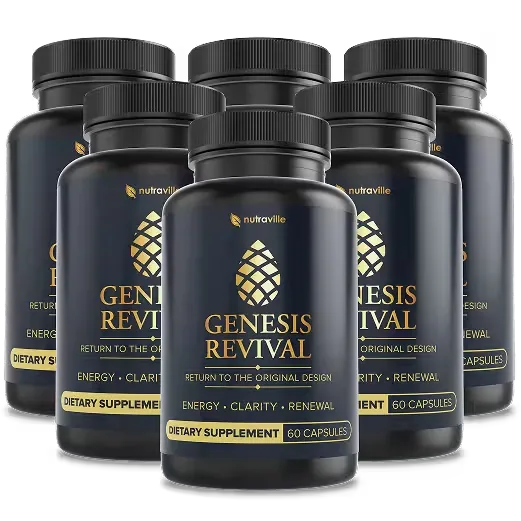
Multi-ingredient capsule sold on the official website with claims of energy, focus, sleep and vitality; the official website cites no studies.
Read Our Genesis Revival Review
CircO2 Nitric Oxide Booster Review
Caffeine-free dissolving lozenge marketed to raise nitric oxide for energy, circulation and blood pressure; the headline claims are vendor-only and unverified.
Read Our CircO2 Nitric Oxide Booster Review
Advanced Mitochondrial Formula Review
Vendor-sold mitochondrial support supplement that claims to boost energy and healthy aging; sold through the official website.
Read Our Advanced Mitochondrial Formula Review
Advanced Amino Formula Review
Vendor-sold blend of 8 essential amino acids marketed for muscle retention, recovery and energy, with a 90-day money-back guarantee.
Read Our Advanced Amino Formula Review
Each review examines the manufacturer's claims, the disclosed ingredients, scientific evidence, pricing, refund terms, and safety considerations. Reviews also point out missing ingredient amounts and the limits of applying general ingredient research, such as mitochondrial or amino acid physiology, to a complete commercial product.
Our reviews are informational evaluations rather than reports of personal product testing or guarantees of effectiveness.
Safety and Possible Side Effects of Energy Supplements
Energy supplements may contain stimulants, concentrated nutrients, botanical extracts, or compounds that influence physiological processes.
Their safety depends on the formulation, dosage, medication use, and individual health circumstances.
Caffeine-containing supplements can cause sleep disturbances, nervousness, and changes in heart rate.
High doses of certain vitamins or minerals may produce adverse effects.
Some nitric oxide support ingredients may influence blood pressure and interact with medications.
CoQ10 may cause mild digestive symptoms in some individuals and can interact with certain prescription medicines.
Combining multiple energy products can increase the risk of excessive intake of overlapping ingredients.
People with cardiovascular conditions, chronic medical problems, or prescription medication use should consult an appropriate healthcare professional before starting new supplements.
Persistent fatigue, unusual weakness, chest pain, or other concerning symptoms should not be managed solely through supplement use.
Natural products are not automatically safe.
Supporting Energy and Vitality Beyond Supplements
Sustained energy levels depend on multiple lifestyle and health-related factors.
Adequate sleep is important for alertness, physical recovery, and normal cognitive performance.
A balanced diet provides the nutrients needed for normal metabolism.
Regular physical activity supports cardiovascular fitness, muscular function, and general well-being.
Appropriate hydration can also contribute to physical functioning.
Managing stress and maintaining consistent daily routines may help support wellness.
Medical conditions, medication effects, and nutritional deficiencies should be considered when fatigue persists despite appropriate rest and nutrition.
Dietary supplements should be evaluated within this broader context rather than viewed as guaranteed solutions for low energy.
How Clinic of Medicine Reviews Energy Supplements
Our editorial process begins with available official manufacturer information.
We examine ingredient disclosures, advertised benefits, serving instructions, pricing, and refund conditions.
We then consider relevant scientific research to understand whether the evidence supports particular ingredients or proposed outcomes.
When research involves individual nutrients rather than the complete commercial formulation, we identify that distinction.
We also examine missing ingredient amounts, unclear product claims, and potential safety concerns.
Promotional testimonials are not treated as clinical evidence.
Our goal is to help readers understand what is known, what remains uncertain, and what information should be verified before purchasing.
Frequently Asked Questions About Energy and Vitality Supplements
What are energy supplements?
Energy supplements are dietary products marketed to support alertness, metabolism, stamina, physical performance, or general vitality. They may contain vitamins, minerals, amino acids, stimulants, or botanical ingredients.
Do energy supplements actually work?
Effectiveness depends on the ingredient, intended outcome, and individual circumstances. Some supplements may help correct deficiencies, but many products lack convincing evidence of meaningful energy improvements in healthy adults.
Does vitamin B12 increase energy?
Vitamin B12 is essential for normal health, and deficiency can contribute to fatigue. However, additional B12 generally does not improve energy or performance in people who already have sufficient levels.
What is CoQ10?
Coenzyme Q10 is a naturally occurring compound involved in mitochondrial energy production. It has been investigated for fatigue and other outcomes, but evidence does not establish universal benefits from supplementation.
Can mitochondrial supplements improve cellular energy?
Some ingredients participate in normal mitochondrial processes, but this does not prove that commercial mitochondrial support supplements increase energy or reverse aging.
Are caffeine-free energy supplements effective?
Some caffeine-free ingredients have been studied for particular outcomes, but effectiveness depends on the formulation and clinical evidence. Being caffeine-free does not guarantee a product works.
Can amino acid supplements improve stamina?
Amino acids support protein synthesis and other physiological processes. However, additional supplementation may provide limited benefits when dietary protein intake is already adequate.
Are nitric oxide supplements safe?
Safety depends on the ingredients, dose, medications, and individual health conditions. People taking blood pressure medications should seek professional guidance before using products marketed to influence circulation.
Can supplements help with chronic fatigue?
Persistent fatigue can have many causes. Supplements may help when a specific deficiency is involved, but they should not replace medical assessment or treatment.
Are natural energy supplements safe?
Not necessarily. Botanical extracts, stimulants, and high-dose nutrients can produce adverse effects or interact with medications.
Are energy supplements FDA-approved?
Dietary supplements generally do not require FDA approval for safety and effectiveness before being marketed in the United States.
How should I compare energy supplement products?
Compare disclosed ingredients, quantities, intended benefits, clinical evidence, safety information, manufacturer transparency, price per serving, and refund policies.
Explore Independent Energy & Vitality Supplement Reviews
Choosing an energy or vitality supplement should involve more than reading promotional promises about improved stamina or cellular rejuvenation.
At Clinic of Medicine, we provide independent reviews examining ingredient research, manufacturer claims, pricing, safety considerations, and important evidence limitations.
Explore our Energy & Vitality category to learn about available supplements and make more informed purchasing decisions.
Browse Energy & Vitality Supplement Reviews
Medical disclaimer: This content is intended for general educational purposes and does not replace professional medical advice, diagnosis, or treatment.
Affiliate disclosure: Some links on Clinic of Medicine may earn commissions from qualifying purchases at no additional cost to the reader. Read our full affiliate disclosure.