Berberine: Benefits, Side Effects & Drug Interactions
Berberine is a yellow plant compound found in several herbs, including goldenseal and barberry. People take it mainly for blood sugar and weight support. Human trials show modest effects, and it can affect how several common medicines work.
On this page
Berberine at a glance
Also known as: berberine HCl, berberine hydrochloride, Berberis extract (source plant)
- What it is
- Berberine is a bitter, yellow alkaloid. Goldenseal, barberry, Oregon grape and Chinese goldthread all contain it, mostly in their roots, stems and bark. Traditional Chinese medicine and Ayurveda have used these plants for centuries.
- What it does
- In lab and animal work, berberine activates AMPK, an enzyme that helps cells manage energy. It also appears to affect how the body handles glucose and fats, and it may change gut bacteria. How much of this carries over to people is not fully settled, partly because very little berberine is absorbed.
- How it is used
- It is sold as capsules or tablets and is usually taken with meals, often split into a few doses a day. People use it for blood sugar, cholesterol and weight management.
- Natural sources and forms
- Supplements are typically berberine hydrochloride, either purified or from a plant extract. Labels usually state the berberine content in milligrams per capsule. Whole goldenseal or barberry products contain much less berberine and a mix of other compounds.
- Why it appears in formulas
- Makers add it to weight and blood sugar blends because it is one of the better-studied herbal compounds for glucose and body weight. It also lets a product claim a metabolic angle, which appeals to shoppers.
- What to know before use
- If you use any prescription medicine, check with a doctor or pharmacist before starting berberine: it lowers blood sugar and can raise or lower the levels of other drugs. Do not use it during pregnancy or breastfeeding.
What the research says
Overall: Moderate evidence
Berberine has been studied in many randomized trials, mostly in people with type 2 diabetes, prediabetes, metabolic syndrome or excess weight. Pooled analyses of these trials generally report lower fasting glucose and HbA1c, with HbA1c drops of roughly half a percentage point or more in some reviews. Smaller improvements in cholesterol and triglycerides have also been reported.
There are important limits. Most trials are small and short. Many were run in China, and doses, products and treatment lengths vary a lot. Some studies tested berberine on top of standard diabetes drugs, which makes it hard to isolate its own effect. Authors of recent reviews repeatedly call for larger, better-designed trials.
For weight, a recent meta-analysis of randomized trials found an average loss of under 1 kg compared with control groups. That is statistically detectable but small. Claims that berberine acts like prescription weight-loss drugs are not supported by the research. Long-term safety and effectiveness beyond a few months are not well established.
| Studied for | What the research says | Evidence |
|---|---|---|
| Blood sugar in type 2 diabetes | Meta-analyses of randomized trials report lower fasting glucose and HbA1c compared with control groups, though results vary and most trials are small. NIH sources describe the effect as modest. | Moderate evidence |
| Weight and waist size | A pooled analysis found an average loss of less than 1 kg and a small drop in BMI and waist circumference. Waist-to-hip ratio did not change significantly. | Limited evidence |
| Cholesterol and triglycerides | Some trials and reviews report modest improvements in blood lipids, particularly in people with metabolic problems. Trial quality is mixed. | Limited evidence |
| Liver safety | LiverTox found no published cases clearly linking berberine to clinically apparent liver injury, though case data are sparse. | Limited evidence |
Amounts used in studies
These are amounts researchers used, not dosing advice. Ask a doctor or pharmacist what is right for you.
| Form | Amount | Study context |
|---|---|---|
| Berberine hydrochloride capsules or tablets | About 900 to 1,500 mg per day, split into 2 or 3 doses with meals | Typical range in trials of 8 to 12 weeks or longer in adults with type 2 diabetes or metabolic syndrome; exact amounts vary by study |
Safety, side effects and interactions
Berberine is generally tolerated for short periods in trials, but side effects are common enough to notice. The most frequent are digestive: constipation, diarrhea, gas, nausea and stomach cramps or discomfort. These often ease when it is taken with food or in smaller portions.
Because it can lower blood sugar, it may cause levels to drop too low in people also using diabetes medicines. It may also lower blood pressure slightly. It affects certain liver enzymes that process drugs, which is the basis for several interactions.
Pregnant or breastfeeding women should not take berberine, and babies must never be given it, since it can make newborn jaundice worse. Long-term safety data are limited. Supplements are not reviewed by the FDA for effectiveness, and product content can differ from the label, so choose products with third-party testing where possible.
Possible interactions
- Diabetes medicines such as insulin, sulfonylureas and metformin: may add to blood sugar lowering and could cause low blood sugar; berberine may also raise metformin levels.
- Cyclosporine and tacrolimus: berberine may raise their blood levels, and MedlinePlus lists cyclosporine as a major interaction.
- Blood pressure medicines: possible additive lowering of blood pressure.
- Blood thinners and anticoagulants: a possible interaction is listed, so monitoring is advised.
- Drugs processed by liver CYP enzymes: berberine inhibits several of these enzymes and may change levels of many medicines.
- Other blood-sugar-lowering supplements such as chromium, bitter melon or cassia cinnamon: effects may stack.
Avoid it or ask a doctor first if
- Pregnant or breastfeeding
- Newborns and infants
- Taking diabetes medicines, unless a doctor is monitoring you
- Taking cyclosporine, tacrolimus or other transplant drugs
- Taking blood thinners or blood pressure medicines without medical advice
- Scheduled for surgery soon (blood sugar control may be affected)
- Have liver or kidney disease
Supplements we have reviewed that contain Berberine

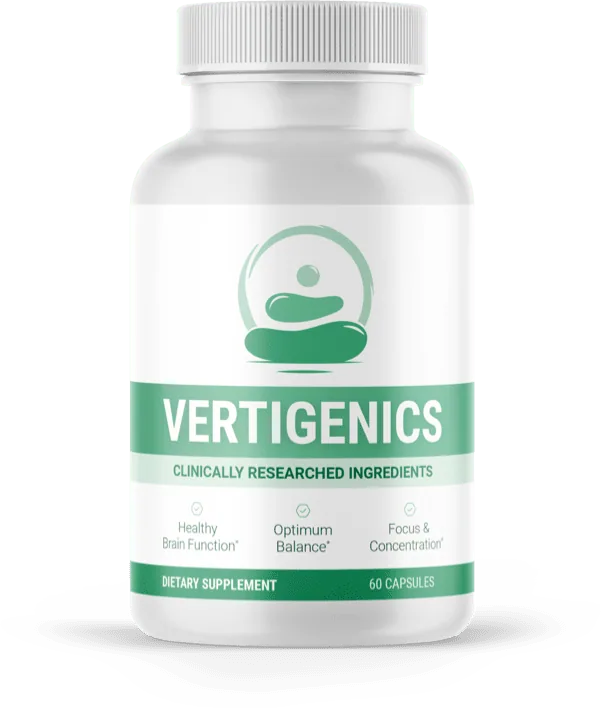

Berberine FAQs
Does berberine really work?
Research suggests it may modestly lower blood sugar and HbA1c in people with type 2 diabetes, and possibly improve cholesterol. Most trials are small and short, so the size and durability of the benefit are uncertain. It is not a replacement for medical treatment.
Is berberine safe?
For most healthy adults, short-term use appears reasonably well tolerated, with digestive upset being the main complaint. Pregnant or breastfeeding women and newborns should not use it, and it can interact with a range of prescription drugs. Long-term safety is not well studied.
What is berberine?
Berberine is a bitter yellow alkaloid found in plants like goldenseal, barberry and Oregon grape. It has been used in traditional herbal medicine and is now sold as a supplement, mostly for blood sugar and weight support.
Does berberine interact with any medications?
Yes. It can add to the effect of diabetes drugs and cause low blood sugar, and it may raise levels of metformin and of transplant drugs like cyclosporine and tacrolimus. It also inhibits liver enzymes that process many medicines, so check with a pharmacist before combining it with any prescription.
Is berberine good for weight loss and blood sugar?
For blood sugar, trials show modest improvements in people with diabetes or metabolic problems. For weight, pooled results show an average loss of under 1 kg versus control, which is small. It is best seen as a possible minor aid, not a weight-loss solution.
Sources
This page is general information, not medical advice. Talk to a doctor or pharmacist before starting a supplement, especially if you are pregnant or breastfeeding, take medicines or have a health condition.